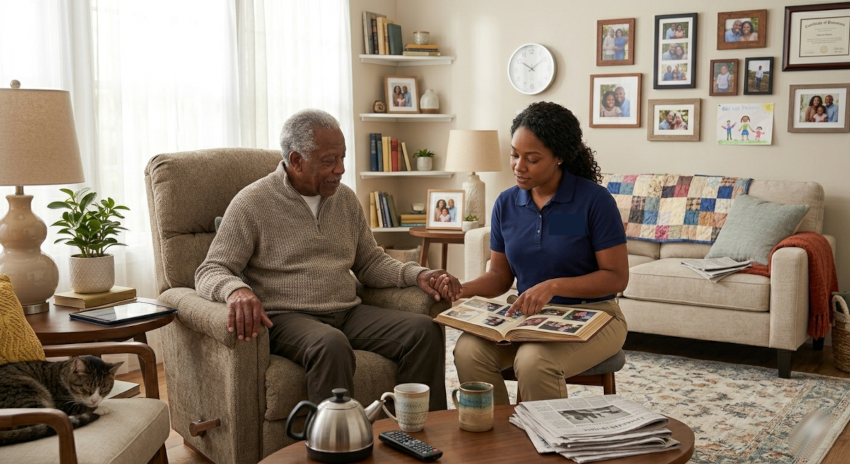
When the goal is to keep a loved one in the comfort of their familiar surroundings, 24 hour dementia care at home becomes more than just a convenience. 24 hour home care becomes a foundation for safety and stability. Moving to a clinical facility is not the only option. With the right professional support, seniors can maintain their dignity and routine in the home they love, even as their needs become more intensive.
The Evolution of Care: Why Advanced Dementia Requires More
Dementia is a progressive condition. In the early stages of dementia, a few hours of help with errands or meal preparation might suffice. However, as the condition enters advanced stages, the brain’s ability to process surroundings, recognize hazards, and regulate emotions diminishes significantly.
This progression often leads to "sundowning," a phenomenon where confusion and agitation escalate in the late afternoon and evening. For family caregivers, this can lead to severe burnout and physical exhaustion. Transitioning to round-the-clock memory care ensures that there is always a trained professional awake and alert, ready to provide redirection, comfort, and physical assistance at 3:00 AM just as effectively as at 3:00 PM.
Prioritizing Dementia Safety at Home
Safety is the primary concern for any family managing late-stage cognitive decline. The home, while familiar, can also be a place of hidden dangers for someone with impaired judgment. Professional caregivers specialize in maintaining dementia safety at home by addressing several key areas:
Wandering Prevention
One of the most stressful behaviors in advanced dementia is the urge to wander. A 24-hour caregiver provides a constant presence, ensuring doors are secure and the individual remains within a safe environment, preventing them from becoming lost or exposed to the elements.
Fall Prevention
Mobility often decreases as dementia progresses. A caregiver provides "stand-by" assistance for transfers, walking, and using the bathroom, significantly reducing the risk of fractures and hospitalizations.
Medication Management
In the advanced stages, missing a dose or taking a double dose of medication can have serious health consequences. Caregivers ensure that the right medication is taken at the correct time, every time.
Environmental Continuity
Sudden changes in environment can trigger "transfer trauma" or relocation stress syndrome in those with memory loss. Keeping the individual at home maintains the sensory cues they are used to—the smell of their kitchen, the view from their favorite chair, and the sound of their own neighborhood.
The Stability of Professional Support
Stability in advanced dementia is built through routine. Individuals with cognitive impairment thrive when their days follow a predictable pattern. Home care for advanced dementia focuses on creating a "therapeutic environment" through consistent scheduling.
Professional dementia caregivers don’t just watch over a patient; they engage them. They understand how to communicate when verbal skills decline, using non-verbal cues and specialized techniques to reduce agitation. Whether it is playing familiar music, looking through old photo albums, or simply providing a calming presence during a period of confusion, this specialized attention fosters emotional stability that is difficult to achieve in a high-turnover institutional setting.
The Impact on the Family
It is often said that when one person has dementia, the whole family is affected. Family members often find themselves in the role of "24/7 monitor," which can strain relationships and personal health. By bringing in a professional team for 24-hour care, the family can return to their primary role: being a son, daughter, or spouse.
Knowing that a loved one is receiving professional round-the-clock memory care allows family members to sleep through the night and manage their own lives without the constant "high-alert" anxiety that defines the caregiving experience. It transforms the time spent with the loved one from a series of clinical tasks and safety checks into meaningful, quality moments.
Creating a Customized Care Plan
Every individual’s experience with dementia is different. Some may struggle more with physical aggression, while others may become deeply withdrawn. A professional home care agency conducts a comprehensive assessment to build a plan tailored to the specific personality and medical needs of the senior.
This plan typically includes:
Personal Care: Assistance with bathing, dressing, and grooming while maintaining the client's dignity.
Nutritional Support: Preparing brain-healthy meals for dementia patients and ensuring adequate hydration, which is vital for preventing urinary tract infections, a common cause of increased confusion in seniors.
Cognitive Stimulation: Tailored activities designed to meet the person where they are, focusing on remaining strengths rather than lost abilities.
Household Support: Light housekeeping and laundry, ensuring the living environment remains clean, organized, and free of trip hazards.
Is 24-Hour Care Right for Your Loved One?
If you find that your loved one can no longer be left alone for any period, if they are frequently waking up disoriented at night, or if their physical safety is at risk despite your best efforts, it may be time to consider home care for advanced dementia.
The transition to 24-hour care is a proactive step toward preserving quality of life. It provides a safety net that spans every hour of the day, ensuring that even in the most challenging stages of the disease, your loved one remains safe, respected, and stable in the place they call home.
At Interim HealthCare, we understand that every moment matters. Our caregivers are trained in specialized memory care protocols to provide the highest level of support for your family. If you are ready to explore how 24 hour dementia care at home can provide the peace of mind you deserve, contact your local office today for a consultation.