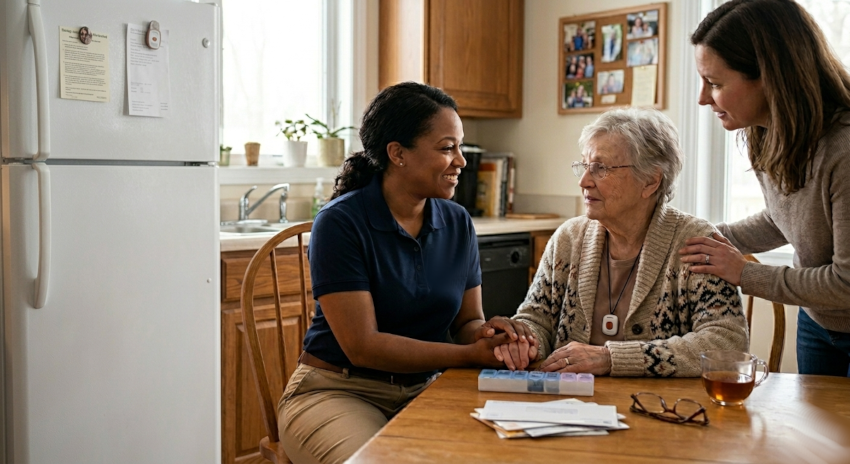
However, there is often a tipping point where these small favors evolve into a full-time management role that can leave both the senior and the family caregiver exhausted. Recognizing when your loved one needs professional non-medical home care isn’t about admitting defeat; it’s about ensuring they have the support necessary to maintain their independence and safety in the place they love most: home.
Here are seven key indicators that it might be time to transition from "helping out" to a structured care plan.
The "Fridge Test" and Nutritional Changes
Next time you visit, take a peek in the kitchen. Is the refrigerator filled with expired milk, or is it strangely empty? Weight loss is one of the most visible signs of a decline in self-care. It may not be that they have lost their appetite, but rather that the physical act of grocery shopping, standing at a stove, or even remembering to eat has become a burden. Non-medical home care can bridge this gap through meal preparation and grocery assistance, ensuring they receive proper nutrition without the stress of the kitchen.
Decline in Personal Hygiene
Personal grooming is often the first thing to slip when physical or cognitive challenges arise. If you notice your loved one is wearing the same clothes for several days, has uncharacteristic body odor, or has stopped styling their hair, it’s a red flag. Often, seniors develop a fear of slipping in the shower, leading them to avoid bathing altogether. Professional caregivers provide "stand-by assistance" or hands-on help with bathing and dressing, restoring dignity while keeping them safe from falls.
The Condition of the Home
A once-tidy home that is now cluttered or dusty can be a sign of physical exhaustion or executive dysfunction. Look for piles of unopened mail (especially bills), scorched pans that suggest they forgot something on the stove, or laundry that hasn't been moved in weeks. When a home becomes unmanageable, it becomes a safety hazard. Light housekeeping is a core component of non-medical care that keeps the environment sanitary and trip-free.
Medication Mismanagement
Medication compliance is a critical safety issue. If you find pill bottles that are overfilled or empty long before they should be, your loved one may be struggling to follow their regimen. While non-medical caregivers do not administer medication, they provide vital "medication reminders." Having someone there to prompt a senior to take their pills at the right time of day can be the difference between a stable health status and an unnecessary trip to the ER.
Social Withdrawal and Mood Shifts
Loneliness is as dangerous to a senior’s health as smoking. If a normally social parent stops attending church, skips their weekly card game, or stops calling friends, they may be dealing with depression or a loss of confidence in their mobility. Non-medical home care provides companionship—someone to talk to, play games with, or accompany them on walks. This social stimulation is vital for cognitive health and emotional well-being.
Unexplained Bruising or Mobility Issues
Pay close attention to how your loved one moves. Do they "furniture surf" (grab onto tables and chairs for balance) as they walk across the room? Are there mysterious bruises on their arms or legs? Many seniors won't admit to a fall because they fear losing their independence. Professional caregivers are trained in "transferring and positioning," helping seniors move from bed to chair or room to room, significantly reducing the risk of a life-changing fall.
Caregiver Burnout: The "Invisible" Sign
The final sign isn’t about the senior; it’s about you. Are you feeling resentful, exhausted, or constantly anxious about your phone ringing? If your role as a daughter, son, or spouse has been completely replaced by the role of "unpaid nurse/assistant," the relationship suffers. Bringing in professional help allows you to return to being a family member again. You can spend your visits enjoying their company rather than scrubbing floors or checking pillboxes.
Starting the Conversation
If these signs sound familiar, the next step is a conversation. Approach it with empathy rather than authority. Instead of saying, "You can't take care of yourself," try, "I've noticed you've been tired lately, and I'd love to bring someone in to help with the chores so we can spend more quality time together."
Non-medical home care is a tool for empowerment. It provides the "scaffolding" that allows a senior to live on their own terms, safely and comfortably. By recognizing these signs early, you can prevent a crisis and ensure your loved one's golden years are spent in comfort, not struggle.
Is it time for a little extra help? Contact Interim HealthCare today for a free in-home assessment. Let’s work together to create a personalized care plan that fits your family's needs.