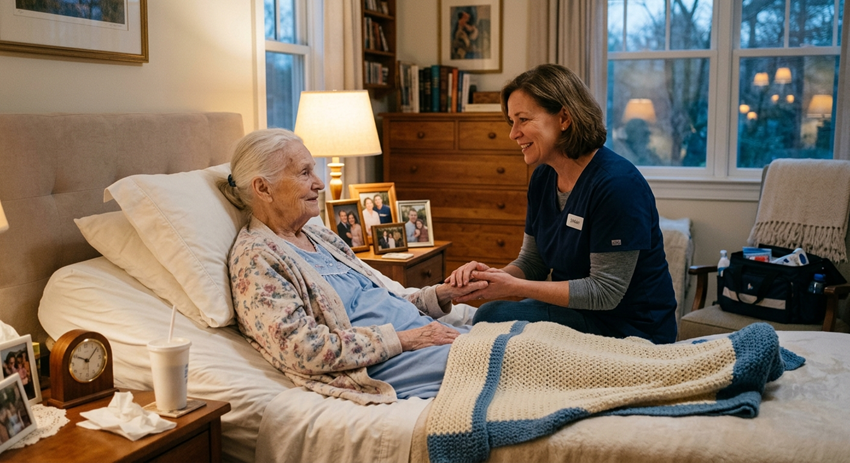
Navigating these decisions is never easy. Misconceptions about end-of-life planning can create unnecessary fear, causing families to delay vital support that could significantly improve their loved one's quality of life. The short answer is that comfort care does not mean an immediate sentence of death. Instead, it represents a compassionate shift in medical focus. It moves the priority away from aggressive, invasive interventions that may cause unnecessary distress, and redirects focus toward managing pain, alleviating physical discomfort, and supporting emotional and spiritual well-being.
Understanding the true comfort care meaning helps families make informed, confident choices about care during some of life's most challenging moments.
What Is Comfort Care?
To understand comfort care, it helps to look at how medical priorities evolve during a serious illness. Curative treatments focus primarily on curing a disease, halting its progression, or extending life through medical interventions like chemotherapy, surgeries, or complex invasive therapies.
Comfort care, by contrast, prioritizes symptom management, dignity, and relief. The primary objective is ensuring that an individual experiences the highest possible quality of life, regardless of how long that life may be.
Core Elements of Comfort Care
Comprehensive management of physical symptoms like severe pain, persistent shortness of breath, nausea, fatigue, and restlessness
Compassionate emotional support to help patients and family members process grief, anxiety, and fear
Respect for personal values, ensuring medical decisions align with what matters most to the individual
Practical guidance for family caregivers who may feel overwhelmed by daily caregiving responsibilities
By addressing these core areas, comfort care ensures that patients do not suffer through unnecessary medical procedures that no longer offer therapeutic benefit.
Does Comfort Care Mean Death Is Immediate?
One of the most persistent myths surrounding this topic is that entering a comfort care plan means a person has only hours or days to live. While comfort care is certainly an integral component of end-of-life care, receiving it does not mean death is immediate.
Patients can receive comfort-focused measures for weeks, months, or even longer depending on their specific health condition and overall needs. In fact, focusing on symptom relief can sometimes help individuals feel more relaxed, eat better, and regain a sense of peaceful stability.
A notable report published by the National Institute on Aging emphasizes that palliative and comfort-focused interventions aim to optimize quality of life at any stage of a serious illness, rather than simply standing by during a person's final hours. Furthermore, statistical research from the National Hospice and Palliative Care Organization indicates that nearly 1.7 million Medicare beneficiaries receive comfort-focused hospice care annually, with many receiving this support for several months, allowing them to spend meaningful, quality time surrounded by family.
Choosing comfort care is not "giving up." It is a conscious decision to prioritize peace, dignity, and personal comfort over painful treatments that may no longer improve health outcomes.
Is Comfort Care the Same as Hospice?
It is very common for people to confuse these terms or use them interchangeably, leading many families to ask: Is comfort care the same as hospice?
While the two concepts share similar goals, they are not identical. Understanding the subtle distinctions between them can help you choose the right care strategy for your family's situation.
Comfort Care vs. Hospice Care
Comfort Care
Comfort care is an overarching philosophy of care centered on symptom relief and bodily comfort. It can be provided in almost any setting, including hospitals, nursing facilities, or at home. Comfort-focused strategies can be integrated into palliative care plans early in an illness, sometimes even alongside treatments intended to manage or treat the underlying condition.
Hospice Care
Hospice care is a formal, structured model of healthcare delivery designed specifically for individuals who are approaching the final phase of a terminal illness. To qualify for hospice, doctors typically certify that a patient has a life expectancy of six months or less if the disease runs its normal course. Hospice care always incorporates comfort care as its foundation, but it also provides a comprehensive, multi-disciplinary team including nurses, social workers, home health aides, and chaplains.
In summary, all hospice care includes comfort care, but comfort care can begin long before a person enters hospice.
Where Is Comfort Care Provided?
Many people assume that receiving comfort care requires staying in a hospital or moving to a specialized care facility. In reality, most individuals prefer to remain in the familiar, comforting surroundings of their own homes.
Through professional home health agencies like Interim HealthCare, families can access dedicated hospice care services and home-based support directly in the comfort of home. Professional caregivers work closely with physicians to monitor symptoms, administer medications, assist with personal hygiene, and ensure that the patient remains safe and comfortable in familiar surroundings.
Receiving care at home allows patients to remain near their loved ones, maintain their personal daily routines, and enjoy a sense of normalcy during a difficult transition.
Recognizing When It May Be Time for Comfort Care
Deciding when to transition to a comfort-focused approach is a deeply personal process that involves the patient, family members, and trusted healthcare providers. There is no single sign that fits every situation, but several common indicators suggest it may be time to discuss comfort options.
Indicators to Consider
Frequent emergency room visits or hospital readmissions despite ongoing medical treatment
A noticeable decline in physical strength, mobility, and the ability to perform daily activities like bathing or eating
Increasing discomfort, chronic pain, or distress that regular treatments no longer adequately manage
Expressed desires from the patient to stop burdensome medical appointments, invasive tests, or side-effect-heavy medications
Growing fatigue and burnout among family members who are managing complex care needs on their own
If you notice these changes in a loved one, having an open, compassionate conversation with their primary care physician or a home healthcare specialist can provide clarity on available options.
How Comfort Care Supports the Entire Family
A serious illness affects more than just the individual diagnosis; it impacts the whole family dynamic. Emotional strain, physical exhaustion, and uncertainty about the future can leave family members feeling overwhelmed.
Comfort care addresses these challenges holistically. Beyond managing the patient's physical symptoms, care teams offer vital resources to support family caregivers.
How Care Teams Help Families
Educating caregivers on how to safely assist their loved one with daily movement and medication
Providing respite care options so family members can rest, recharge, and attend to personal needs
Offering emotional counseling, guidance, and spiritual support tailored to the family's unique beliefs
Assisting with advanced care planning and practical preparations for the future
With professional home care services from Interim HealthCare, families do not have to walk this journey alone. Experienced professionals provide compassionate personal care and support designed to ease daily burdens and bring peace of mind to everyone involved.
Choosing Dignity, Peace, and Comfort
Understanding the real comfort care meaning replaces fear with clarity. Choosing comfort care does not mean giving up hope or surrendering to death. It means choosing to focus on what matters most: dignity, relief from pain, quality time with loved ones, and personal peace.
Whether provided through home health support, palliative programs, or specialized hospice teams, comfort care empowers individuals to spend their time surrounded by compassion and respect.
Connect with Compassionate Care Today
If you or a family member are considering care options for a chronic or advanced illness, guidance is available. The compassionate team at Interim HealthCare is here to help you understand your choices and navigate every step of the process.
Find an Interim HealthCare location near you today to learn how our personalized home care and hospice services can bring comfort, dignity, and peace of mind to your family.