Interim HealthCare Blog
Read through our home health care, hospice and medical staffing related articles.

When Eating Becomes a Battle: Simple Nutrition Strategies for Dementia Care
Providing care for a loved one with cognitive decline involves navigating a complex web of physical, emotional, and practical changes. While memory lapses and behavioral shifts are often the most talked-about symptoms, maintaining proper nutrition is a foundational, yet frequently overlooked, pillar of effective caregiving.

How to Talk to Someone with Dementia (Without Triggering Anger or Confusion)
When a loved one is diagnosed with dementia, family dynamics shift in profound ways. Among the most significant changes is how you interact on a daily basis. Conversations that once flowed effortlessly can become fraught with misunderstanding, repetition, and frustration for both of you.
What is Alzheimer's Disease? Symptoms, Stages, and Treatment
Discovering that a loved one is experiencing persistent memory loss or behavioral changes can be overwhelming. When these changes begin to interfere with daily life, they often point toward a specific diagnosis: Alzheimer’s disease.

From Service to Support: Finding Quality Veteran Home Care in Houston
For the brave men and women who have served our country, returning home should mean returning to a place of comfort, security, and dignity. However, as veterans age or manage service-related disabilities, staying independent at home can become a challenge. Fortunately, for those living in the fourth-largest city in the United States, there is a robust network of support available. Navigating the landscape of veterans home care in Houston requires an understanding of both federal benefits and local private resources.

Safety and Stability: 24-Hour Home Care for Advanced Dementia
For families navigating the complexities of a loved one’s journey with cognitive decline, there often comes a pivotal moment when standard caregiving no longer feels like enough. Advanced dementia introduces a unique set of challenges—wandering, increased fall risks, sleep disturbances, and heightened anxiety—that require constant vigilance.

Stronger Every Day: Strategies for Overcoming the "Post-Op Blues"
The journey through a major medical procedure is often described in purely physical terms: the successful placement of a graft, the removal of a growth, or the stabilization of a joint. However, as the initial adrenaline of the hospital stay fades and the reality of a long recovery sets in, many patients find themselves facing an unexpected hurdle: their mental health. Whether you are managing home care after open heart surgery or recovering from a routine procedure, the emotional toll of limited mobility and isolation is a significant part of the healing process.

Recognizing the Signs: When Does “Helping Out” Become a Need for Care?
Watching a parent or loved one grow older is a journey of subtle shifts. It often begins with small things—bringing over a few groceries, helping with a high-up lightbulb, or driving them to a doctor’s appointment. We call this "helping out," and it is a natural part of the family bond.
Navigating Post-Surgical Recovery: Does Insurance Cover Home Health Care?
The transition from a hospital bed to your own home after a major operation is a milestone in recovery, but it often brings a new set of challenges. While the comfort of home is unmatched, the medical requirements—such as managing surgical incisions or physical therapy—do not disappear upon discharge. This leads many to ask: Does insurance cover home health care after surgery?
Moving Toward Support: How to Discuss Home Care with Your Parents (Without the Conflict)
For many adult children, there is a specific conversation that looms larger than any other: the care talk. You’ve noticed the subtle signs—the mail piling up, a slightly emptier fridge, or a newfound hesitation when they navigate the stairs. Your instinct is to protect them, to step in and ensure their safety. However, for your parents, the suggestion of bringing in help can feel less like support and more like a surrender of their lifelong independence.

Family Meal Prep: Diabetic-Friendly Recipes the Whole Family Will Eat
One of the most exhausting aspects of being a caregiver for diabetes is the constant negotiation of the dinner table. It is a common scene in many households: preparing a specialized, low-glycemic meal for a loved one while simultaneously cooking a separate normal meal for the rest of the family. This double-cooking quickly leads to burnout and can make your loved one feel isolated by their condition.
Understanding the Role: What Do Home Health Aides Do in California?
As the demand for aging-in-place options continues to rise, more families are turning to professional support to keep their loved ones safe and comfortable. If you are exploring care options in the Golden State, you might be wondering: "What do home health aides do in California?"

Caring for the Caregiver: Practical Strategies to Beat PCA Burnout
Being a personal care assistant is one of the most uniquely demanding roles in the modern workforce. It is a job that requires a delicate balance of physical strength, medical knowledge, and profound emotional intelligence. You are the hands that help someone get dressed, the steady arm they lean on during a walk, and often, the ears that listen to their deepest worries.

Caretakers vs. Caretenders: Unpacking the Nuances of In-Home Support
When it comes to arranging assistance for aging loved ones or individuals needing extra support at home, the terminology can often be confusing. "Caretaker" and "caretender" are two terms frequently used, sometimes interchangeably, yet they can carry different implications depending on context and regional understanding. While "caretender" is less commonly used as a formal job title in the home care industry compared to "caretaker" or "caregiver," exploring their potential distinctions helps clarify the spectrum of in-home support available.

Understanding the Cost of 24/7 In-Home Care Per Month
When a loved one requires constant supervision and assistance, the option of professional 24 hour in home care can provide comfort and peace of mind. However, one of the most pressing questions for families is: how much does 24/7 in-home care cost per month?

101 Engaging Activities for Dementia Patients: Enriching Life Through Connection
Receiving a diagnosis of dementia can be daunting, but it doesn't mean the end of meaningful engagement, joy, or connection. In fact, for those living with dementia, staying active, stimulated, and involved in daily life is incredibly beneficial for maintaining cognitive function, reducing agitation, and fostering a sense of purpose. For family members and professional dementia caregivers, finding suitable activities that resonate with their loved one's abilities and preferences is a key component of effective dementia home care.

Bell's Palsy vs. CVA: Understanding Facial Weakness for Effective Home Care
Experiencing sudden facial weakness or drooping can be frightening, often leading to immediate concerns about a stroke. While both Bell's Palsy and a Cerebrovascular Accident (CVA), commonly known as a stroke, can manifest with similar visual symptoms, they are distinct conditions requiring different approaches to diagnosis, treatment, and especially, home care. For families navigating these health challenges, understanding the key differences is paramount for ensuring appropriate support and optimal recovery.

Recognizing the Signs: A Guide to Understanding the Symptoms of Sundowning
If you are a caregiver for someone with dementia, you may have noticed a predictable shift in their behavior as the day winds down. As the sun begins to set and shadows lengthen, a calm day can suddenly give way to confusion, anxiety, and restlessness. This phenomenon is known as sundowning, or sundown syndrome, and it can be one of the most challenging aspects of caregiving. Understanding the sundowning symptoms is the first step toward effective management and providing compassionate care.
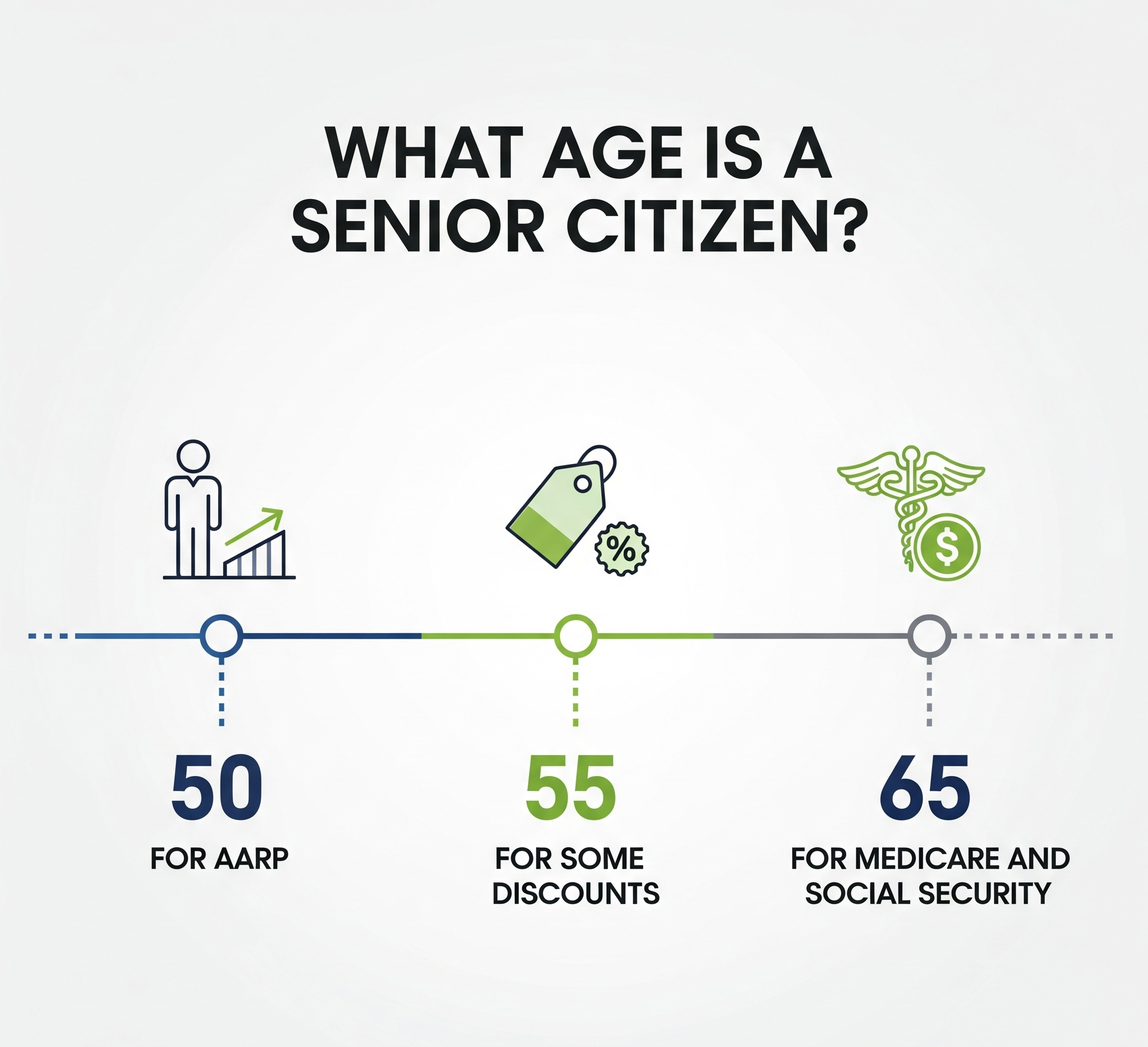
What Age is Considered a Senior Citizen? Understanding the Definitions for Home Care
The question of "what age is a senior citizen?" might seem simple, but the answer is surprisingly complex. The term "senior citizen" isn't tied to a single, universally accepted age. Instead, it varies depending on context, ranging from legal definitions to discounts and social programs. For families considering home care, understanding these different definitions is crucial for planning and accessing the right resources.

Dispelling a Myth: Is COPD Contagious? A Guide for Home Care
When a loved one is diagnosed with Chronic Obstructive Pulmonary Disease (COPD), it's natural for families to have a host of questions. They may wonder about the best ways to provide care, what to expect as the disease progresses, and how to create a supportive environment. One of the most common, and perhaps most concerning, questions we hear is: is COPD disease contagious?

The New Frontier: Why Specialized Roles are Driving the Health Care Staffing Market
The global pandemic fundamentally changed the healthcare landscape, creating unprecedented challenges and highlighting critical gaps in the workforce. In the post-pandemic world, a new trend is dominating the industry: a growing demand for highly specialized healthcare roles. This shift requires a new approach from the traditional health care staffing model, pushing agencies to adapt and innovate.

Staying Hydrated, Staying Healthy: Crucial Signs of Dehydration in Seniors You Can't Ignore
As we age, our bodies change in ways that can make us more susceptible to dehydration. The sensation of thirst often diminishes, medications can increase fluid loss, and mobility challenges might make reaching for a glass of water less frequent. For families and caregivers providing home care, understanding the signs of dehydration in seniors isn't just important—it's critical for maintaining their health and well-being.

The Recipe for Rest: How Diet Can Unlock Better Sleep for Seniors
As we age, a good night's sleep can sometimes feel like a distant memory. Yet, quality sleep is paramount for seniors, impacting everything from cognitive function and mood to physical recovery and overall vitality. While many factors influence sleep, one often-overlooked area is diet. At Interim HealthCare, we understand the intricate connection between nutrition and rest, and how a thoughtful diet for better sleep can profoundly improve the lives of those in our care.

Staying Strong at Home: The Power of Senior Fitness and Home Care
As we age, maintaining physical activity becomes increasingly vital for overall health, independence, and quality of life. For many seniors, the comfort and familiarity of their own home provide the ideal environment for staying active. This is where the synergy between senior fitness and comprehensive senior home care truly shines.

What Should a Senior Do During the Summer? Fun, Safe, and Social Ideas
Summer is a wonderful time for seniors to enjoy the outdoors, reconnect with others, and try something new. While staying safe in the heat is important, there are still plenty of engaging summer activities for seniors that promote well-being, creativity, and socialization.
Whether you're a senior yourself, a family member, or part of a senior care team, here’s a list of uplifting ways to make the most of the season—with suggestions for social events, summer crafts for seniors, and activities that align with personal wellness goals.
Whether you're a senior yourself, a family member, or part of a senior care team, here’s a list of uplifting ways to make the most of the season—with suggestions for social events, summer crafts for seniors, and activities that align with personal wellness goals.

The Benefits of Choosing In-Home Hospice: Why Stay Home?
Making decisions about end-of-life care is undeniably one of life’s most challenging journeys for individuals and their families. When faced with a terminal illness, the focus shifts from cure to comfort, dignity, and quality of life. In this context, hospice care stands out as a compassionate approach designed to provide holistic support. Increasingly, families are recognizing the profound advantages of receiving this specialized care in the comfort and familiarity of their own residences, leading to a growing preference for hospice care at home.

Nutritious Meals for Homebound: Healthy Eating Made Easy
For individuals who are homebound, whether due to age, illness, or recovery, maintaining optimal nutrition can often be a significant challenge. The seemingly simple tasks of planning meals, shopping for ingredients, and preparing healthy dishes can become insurmountable hurdles, leading to compromised health, reduced energy levels, and a decline in overall well-being. Recognizing this critical need, comprehensive help at home care services now offer specialized meal preparation and nutrition support, ensuring that homebound individuals receive healthy, appetizing, and appropriate meals in the comfort and familiarity of their own living space.

Supporting Seniors with Cancer: The Unmatched Comfort and Value of Home Care
A cancer diagnosis is a profound challenge at any age, but for seniors, it often carries additional complexities. Older adults may face a unique set of circumstances, including other chronic health conditions, increased frailty, and a strong desire to maintain independence in their familiar surroundings. In this context, at home care cancer care emerges as an invaluable solution, offering comprehensive support that prioritizes comfort, dignity, and continuity of life within the cherished environment of one's own home.

Home Health Aide Training and Certification: Your Path to a Rewarding Career
The demand for compassionate and skilled healthcare professionals is on a steady rise, particularly in the realm of home care. As more individuals choose to age in place or recover from illness in the comfort of their own homes, the role of a Home Health Aide (HHA) has become indispensable. This vital profession offers a deeply rewarding career, providing essential daily support that significantly enhances the quality of life for clients. If you're considering a career where you can make a tangible difference in people's lives every day, becoming a Home Health Aide might be your perfect fit. This article will delve into the educational and certification requirements, detailing what it takes to embark on this fulfilling journey.

Understanding Home Healthcare Payers: Your Comprehensive Guide to Coverage and Costs
When a loved one requires care at home, one of the most immediate and often overwhelming questions is: "How will we pay for it?" Navigating the complex landscape of home healthcare payers can feel daunting, but understanding your options is the first crucial step toward securing the support your family needs. Home healthcare is a vital service that allows individuals to receive professional medical and personal care in the comfort and familiarity of their own homes, promoting independence and enhancing quality of life. Knowing which entities cover these services, and under what conditions, is essential for informed decision-making.

GUIDE: Transforming Dementia Care in the US
Dementia represents one of the most profound healthcare challenges of our time, affecting millions of individuals and placing immense burdens on their families and unpaid caregivers. The journey through dementia can be complex, often characterized by fragmented care, difficult transitions, and overwhelming emotional and financial strain. Recognizing these pressing needs, the Centers for Medicare & Medicaid Services (CMS) launched a groundbreaking initiative designed to revolutionize how dementia care is delivered across the nation: the GUIDE an Improved Dementia Experience Model.

What is Respite Care? A Lifeline for Family Caregivers
Caring for an aging parent, a spouse with a chronic illness, or a loved one with disabilities is an act of profound love and dedication. Family caregivers often take on immense responsibilities, managing everything from medical appointments and medication schedules to meal preparation and personal hygiene. While deeply rewarding, this demanding role can also be physically and emotionally exhausting, often leading to a phenomenon known as caregiver burnout. This is where respite care steps in, offering a vital lifeline that benefits both the caregiver and the care recipient.

Personal Care at Home: Support for Daily Living
As we or our loved ones age, or face health challenges, the familiar comfort of home often remains the most desired place to be. However, maintaining independence in daily tasks can become increasingly difficult. This is where personal care at home steps in, offering vital support that empowers individuals to continue living comfortably and confidently in their own environment. Far more than just companionship, personal care services are designed to assist with the intimate and essential activities that are crucial for maintaining personal routines and comfort.

Understanding the Early Signs and Symptoms of Dementia
Dementia is a term that encompasses a range of conditions characterized by a decline in cognitive function severe enough to interfere with daily life. While often associated with aging, it's crucial to understand that dementia is not a normal part of the aging process. Many older adults live their entire lives without developing dementia. Recognizing the early signs and symptoms can be challenging, as they often begin subtly and can sometimes be mistaken for normal age-related changes or even other treatable conditions. However, being aware of these indicators is vital for seeking a timely diagnosis, which can open doors to support, treatment options, and crucial future planning.

What is Home Health Care? Understanding Services & Benefits
When facing illness, injury, or the challenges of aging, the desire to remain in the familiar comfort of one's own home is often strong. Home health care emerges as a vital service that makes this possible, bringing professional medical care and support directly to an individual's residence. But what exactly is home health care, and who can benefit from these essential home healthcare services? This comprehensive guide will explore the definition, scope, benefits, and various aspects of home health care.

Senior Day Care Costs: Understanding the Pricing & Factors
When exploring options for senior care, many families consider senior day care as a valuable resource. It offers a stimulating and supportive environment for older adults during the day while providing respite for caregivers. However, a primary concern for most families is the cost. Understanding the factors that influence the price of senior day care is crucial for effective planning and budgeting. This comprehensive guide will delve into the various elements that determine the expense of these vital senior care services.

Soothing Hernia Pain at Home: Gentle Relief Strategies
Dealing with hernia pain can significantly impact your daily life, making even simple movements uncomfortable. While a hernia often requires medical intervention, particularly if it's causing significant discomfort or complications, there are several strategies you can implement at home to help manage the pain and improve your comfort levels. This guide explores various approaches to find some relief and understand when professional home health care or further medical attention is necessary.

What is Elder Care Law?
Navigating the complexities of aging for ourselves or our loved ones often involves more than just medical and personal care for elderly individuals. Elder care law emerges as a crucial field, addressing the legal landscape surrounding the well-being and rights of older adults.

Balancing Independence & Safety for Seniors at Home
As our loved ones age, it's natural to want to ensure their safety and well-being while also allowing them to maintain their independence at home. Fortunately, advancements in technology and home modifications offer innovative solutions to strike this balance.

Does Medicare Cover Home Health Care?
Medicare is a federal health insurance program primarily for people 65 and older. While it covers a wide range of healthcare services, including hospital stays and doctor visits, one crucial aspect is its coverage for home health care.

Music Therapy for Dementia: Enhancing Communication and Social Engagement at Home
Dementia can significantly impact communication abilities, leading to frustration and isolation for individuals with the condition. However, music therapy offers a unique and powerful approach to facilitating communication and social engagement, even when verbal skills decline.

Infusion Therapy at Home: Benefits and Challenges of Receiving Care in Your Own Home
Infusion therapy involves the administration of medications or fluids directly into the bloodstream through a needle or catheter.

Nurturing the Mind: Mental Well-Being for Bedridden Individuals
Being bedridden can have a significant impact on an individual's mental and emotional health. The limitations on mobility and social interaction can lead to feelings of isolation, loneliness, and depression. However, there are several strategies that caregivers, family members, and healthcare professionals can implement to support the mental well-being of bedridden individuals.

Senior Helpers vs. Home Health Care: What's the Difference and Which Do I Need?
When it comes to providing care for aging loved ones, understanding the differences between Senior Helpers and Home Health Care is crucial. Both offer valuable assistance, but they cater to different needs and have distinct service offerings. This guide will help you understand these differences and determine which option is the best fit for your loved one's situation.

Who Qualifies for Home Health Care?
Home health care provides skilled nursing and therapy services in the comfort of your own home. However, not everyone qualifies for Medicare-covered home health care. To be eligible, you must meet specific criteria.

Qualifying for Home Health Care Under Medicare: A Guide
Medicare, the federal health insurance program for people 65 and older, covers a range of healthcare services, including home health care. However, there are specific eligibility criteria that must be met to qualify for Medicare-covered home health services.

Role of Home Nursing in Promoting Aging in Place
Aging in place, the ability to live in one's own home safely and comfortably as one ages, is a goal for many older adults. It offers a sense of familiarity, independence, and connection to the community. Home nursing plays a pivotal role in making this goal a reality. By bringing healthcare services directly to the individual, the home nurse provides essential support that enables seniors to maintain their well-being and thrive in their chosen environment.

Beyond the Clinic: How Occupational and Physical Therapy Support Independent Living at Home
Occupational therapy (OT) and physical therapy (PT) are often associated with clinical settings, but their impact extends far beyond the walls of a hospital or rehabilitation center. Both therapies play a crucial role in helping individuals regain and maintain their independence in the comfort of their own homes. This post explores how OT and PT can support independent living at home through a variety of strategies, resources, and interventions.

Hip Replacement Recovery: Optimizing Mobility and Function through Exercises and Activities
Undergoing a hip replacement is a significant step towards regaining mobility and improving your quality of life. However, the journey to a full recovery involves dedicated effort and a well-structured rehabilitation plan. Physical therapy plays a crucial role in this process, helping patients regain strength, flexibility, and range of motion in their new hip joint. This post will guide you through essential exercises and activities that can optimize your mobility and function after hip replacement surgery.

Finding the Perfect Live-in Caregiver: Essential Qualities and Screening Tips
Choosing a live-in caregiver for yourself or a loved one is a significant decision. The right caregiver can provide companionship, support, and peace of mind, allowing individuals to remain comfortably in their own homes. However, finding the perfect match requires careful consideration and a thorough screening process. This guide will highlight essential qualities to look for and offer practical tips for finding the ideal live-in caregiver.

Funding Respite Care: Navigating the Options and Finding Financial Assistance
Respite care provides crucial support for caregivers and allows them to take much-needed breaks. However, the cost of respite care can be a significant concern for many families. Fortunately, there are various funding options available to help offset the expenses. This guide will explore some of the key avenues for obtaining financial assistance for respite care.

The Evolving Role of Home Care in the Healthcare System
In recent years, home care has emerged as a vital component of the modern healthcare system. Beyond traditional senior home care services, home care is now playing a crucial role in managing chronic conditions, reducing hospital readmissions, and improving overall patient outcomes. This evolution is driven by several factors, including an aging population, advancements in technology, and a growing emphasis on patient-centered care.

The 5 Stages of Palliative Care: A Journey of Comfort and Support
Palliative care is a specialized type of medical care that focuses on providing relief from the symptoms and stresses of a serious illness. Unlike curative treatments, which aim to eradicate the disease, palliative care aims to improve the quality of life for both the patient and their families. This holistic approach addresses the physical, emotional, and spiritual needs of individuals facing a serious illness, such as cancer, heart disease, or neurodegenerative conditions.

Music Therapy for Mental Health: Exploring its Impact on Anxiety and Depression
Music has the power to evoke deep emotions, transport us to different times and places, and even alter our physiological state. While many of us enjoy music for pleasure, music therapy utilizes its unique properties to address a range of mental health challenges, including anxiety, depression, and stress.

Speech Therapy for Adults at Home: Reclaiming Communication Skills
Communication is fundamental to our lives. It connects us with loved ones, allows us to express our needs, and enables us to participate fully in the world around us. For adults who have experienced a stroke, brain injury, or other conditions affecting their speech and language abilities, the loss of this vital function can be devastating. Fortunately, speech therapy at home offers a path to regaining communication skills and rebuilding confidence.

Building Stronger School Communities: The School Nurse as a Leader and Collaborator
The image of the school nurse as simply the "bandage and ice pack" provider is outdated. Today's school nurses are dynamic leaders and collaborators, playing a crucial role in building stronger, healthier, and more supportive school communities. They're not just treating immediate ailments; they're working proactively to create an environment where every student can thrive. This involves forging strong partnerships with families, teachers, administrators, and community organizations.

Navigating the Maze: How an Elder Care Consultant Can Simplify Senior Care
Caring for an aging loved one is a journey filled with love, but also with complex decisions and overwhelming responsibilities. From coordinating medical appointments and managing medications to exploring housing options and navigating financial resources, the landscape of senior care can feel like a daunting maze. Many families find themselves struggling to balance their own lives with the demands of caring for an elder, leading to stress, burnout, and sometimes, a sense of helplessness. This is where the expertise of an elder care consultant at Interim HealthCare can make a world of difference.

Creating a Home Spa Experience: Relaxation Techniques for Seniors
For many seniors, maintaining a sense of well-being is crucial. While elderly home health care providers offer invaluable assistance with daily living, creating a relaxing and rejuvenating environment at home can significantly enhance their quality of life. Here are some simple yet effective techniques to transform your home into a soothing sanctuary:

The Unseen Benefits: How Pets Enhance Senior Home Care
For many seniors, pets are more than just companions; they are cherished members of the family. The presence of a beloved pet can significantly enhance the quality of life for those receiving home care services.

Bereavement Counseling for Individuals with Chronic Illness
Living with a chronic illness can be a challenging journey, often filled with uncertainty and grief. The constant fear of loss, along with the physical and emotional demands of the illness, can significantly impact an individual's mental and emotional well-being. This is where bereavement counseling can play a vital role.

Dispelling the Myths: Why Palliative Care is NOT "Bad"
Palliative care often carries a stigma, with some people mistakenly believing it signifies the end of treatment or a "giving up" on curative efforts. Some even try to find out "Why palliative care is bad". However, this is a significant misconception. Palliative care is a specialized medical approach that focuses on improving the quality of life for individuals with serious illnesses, regardless of the stage of the disease.

The Role of Home Health Aides in Preventing Hospital Readmissions
Hospital readmissions are a significant concern within the healthcare system, often leading to increased costs and poorer patient outcomes. Home health aides play a vital role in preventing these readmissions by providing essential care and support to patients in their homes.

Does Hospice Cover 24-Hour Care at Home?
When a loved one is facing a terminal illness, hospice care can provide invaluable support and comfort. One common question families have is whether hospice covers 24-hour care at home. The answer is: it depends on the individual's specific needs and the hospice provider.

10 Signs That Death May Be Near for Someone with Dementia
As dementia progresses, it's natural to wonder about the signs that death may be approaching. While it can be a difficult topic to discuss, understanding these signs can help families prepare and provide comfort during this challenging time.

Weathering the Storm: Hurricane Preparedness for Seniors
Hurricane season can be a stressful time, especially for seniors. With advanced age often comes increased vulnerability to the dangers posed by hurricanes. However, by taking proactive steps and preparing in advance, seniors can significantly reduce their risk and ensure their safety.

Navigating the Healthcare Transition: The Role of Transitional Care Management
Transitioning between different healthcare settings, such as from a hospital to home or from one healthcare provider to another, can be a complex and stressful process. Transitional care management (TCM) is a patient-centered approach designed to improve the quality of care during these transitions.

Winter Safety Tips for Seniors: Staying Safe and Warm
Winter can be a beautiful season, but it also brings potential hazards, especially for older adults. As temperatures drop and icy conditions become more prevalent, it's crucial to take extra precautions to ensure the safety and well-being of your elderly loved ones.

The Indispensable Role of the Palliative Care Team: A Guide for Seniors and Their Families
As we age, our healthcare needs may become more complex. Palliative care offers a compassionate approach to managing serious illnesses, prioritizing comfort and quality of life. At the heart of this approach is the dedicated palliative care team. This team of healthcare professionals works collaboratively to provide comprehensive care and support to patients and their families.

Navigating Sundowning Syndrome: A Guide for Caregivers
Sundowning syndrome, also known as late-day confusion, is a common behavioral disturbance that affects individuals with dementia. It's characterized by increased confusion, agitation, and restlessness, particularly in the late afternoon or evening. While it can be challenging to manage, understanding the underlying causes and implementing effective strategies can help alleviate symptoms and improve the quality of life for both the individual with dementia and their caregivers.

What Home Health Aides Cannot Do: A Guide for Families
Home health aides play a crucial role in providing essential support and assistance to individuals who need help with daily living activities. However, it's important to understand the scope of their duties and what they are not authorized to do. This knowledge will help you ensure that your loved one receives the appropriate level of care.

The Power of Fish Oil for Seniors
As we age, maintaining optimal health becomes increasingly important. One supplement that can significantly contribute to overall well-being is fish oil. Rich in omega-3 fatty acids, fish oil offers a multitude of benefits for seniors.

3 Proven Strategies for Colon Cancer Prevention
Colorectal cancer, also known as colon cancer, is a leading cause of cancer-related deaths. However, with early detection and prevention measures, the risk can be significantly reduced. This blog post will explore three effective strategies to lower your chances of developing colorectal cancer, particularly as you age.

Nurturing a Healthy Heart: 6 Vital Tips for Seniors
A healthy heart is essential for a fulfilling and active life, especially as we age. By incorporating these six essential tips into your daily routine, you can significantly improve your heart health and reduce your risk of cardiovascular diseases.

Gender and Stroke Risk: A Closer Look
Stroke is a serious medical condition that occurs when blood flow to the brain is interrupted. While both men and women can experience strokes, there are notable differences in the prevalence, risk factors, and outcomes associated with this condition based on gender.

How to Get a Therapy Pet to Visit a Loved One at Home
Anyone who likes animals knows how calming and comforting it can be to stroke and cuddle a friendly dog or cat. It’s little wonder that therapy pets are often brought into nursing homes and hospice facilities. Research has found that petting or playing with an animal can ease anxiety and depression and provide cardiovascular benefits, including lowering blood pressure and decreasing heart rate.

What Are the Symptoms and Stages of Lobar Pneumonia?
Lobar pneumonia is a specific type of pneumonia that affects certain lobes of one or both lungs. Medical experts have categorized the lungs by side and area. For example, the top part of the right lung is the apical section of the superior lobe, which also includes posterior and anterior sections. Then there’s the middle lobe, which is made up of the lateral and medial areas, and the inferior or lower lobe, which consists of the anterior basal section. The left lung is similar, although it does not include a middle lobe.

What Are the Duties of a Home Health Aide?
Most seniors prefer to age in place, in the home they know and love. For many older adults, home health aides make this possible. As more older adults choose to stay in their homes and enjoy the freedom, comfort and independence that comes with it, home health aides are empowering them to live life on their own terms.

What Shortness of Breath Says About Your Elderly Loved Ones
As we age, our bodies transform (sometimes for the better!), and some changes are expected. We may lose some flexibility and find our muscles aren’t quite as capable of lifting what they once could effortlessly. These changes affect most people, and most of us expect these things as we age.

What is the Cost of Home Care?
In many instances, older adults wish to age in place in the comfort of their own homes. Senior home care services are empowering many seniors and their family caregivers to live happy, healthier lives on their own terms.

Symptom Checker: Is It Shingles or Some Other Rash?
Every year, about one in 100 people age 60 or older develops shingles, the dreaded skin condition notorious for causing pain that can be agonizing. According to the National Institutes of Health, about half of all shingles cases affect people 60 and over, and the risk of developing the condition increases greatly by age 70.

How Do Patients Qualify for Hospice Care?
Hospice provides an incredibly important role for the terminally ill and their families. It provides access to 24/7 comfort care, education and emotional support. Hospice staff helps families solve the countless practical challenges that emerge during the end-of-life journey.

10 Signs Your Elderly Loved One Has Poor Circulation
Getting older seems to bring on an inevitable litany of physical complaints. From arthritis to gout, and memory loss to bone density loss, we find that there can seem to be more that’s not working right rather than is functioning like it should! However, some conditions, while perhaps common among older seniors, should be monitored and can often be improved. And poor circulation is one of the most common.

10 Responsibilities of a Certified Nursing Assistant in Home Care
Certified nursing assistants (CNAs) are in high demand. If you’ve been thinking about a career change, or even want to begin your career as a nurse, becoming a CNA is a great place to start.

6 Different Types of Elderly Care Living Options
As we grow older, our needs and requirements change depending on our health and abilities. Some elderly folks remain active and are able to care for themselves, while others face health issues or challenges that require outside assistance. Because of this, there’s no one solution in terms of elderly care living options. There are different types of senior living options available, and choosing one depends on the individual’s situation and how much help they need every day.

Empowering Veterans: Two Pathways to Home Care Assistance through the VA
As a veteran, you've served our country with honor and dedication. The Department of Veterans Affairs (VA) recognizes your service and offers various programs to support your well-being, including home care assistance for veterans. This comprehensive guide explores two key pathways to access home health care assistance for veterans through the VA: